
Popular Concrete Leveling Equipment for Home and Commercial Work
Find the essential tools and supplies favored by professionals and homeowners for achieving smooth, level concrete surfaces.
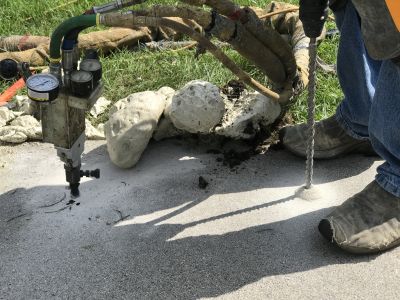 Concrete leveling is an essential process for maintaining the safety, appearance, and functionality of concrete surfaces around residential and commercial properties. Over time, concrete slabs can develop unevenness, cracks, or sinking issues due to soil settlement, moisture changes, or other environmental factors. Addressing these issues promptly can prevent further deterioration and potential safety hazards. The market offers a wide array of products designed to assist in leveling and stabilizing concrete, ranging from DIY solutions to professional-grade equipment. Understanding the different types of products available can help property owners and contractors select the most suitable options for their specific needs.
Top Overall Option
Self-Leveling Concrete Compound
A versatile and easy-to-apply self-leveling concrete compound offers a smooth, durable surface suitable for a variety of applications. Its user-friendly formulation allows for quick preparation and application, making it ideal for both DIY enthusiasts and professionals. This product is designed to fill minor to moderate unevenness, providing a stable base for flooring or other surface finishes. Its quick curing time and strong adhesion properties make it a popular choice for residential and commercial projects alike.
Types of Products For Concrete Levelings
Polyurethane Foam Injection Kits
Used to lift and stabilize sunken concrete slabs, these kits typically include foam, hoses, and application tools for targeted repairs.
Mudjacking Mixtures
A slurry-based solution that raises and supports uneven concrete by filling voids beneath slabs, often used for larger areas.
Self-Leveling Underlayments
Thin, flowable compounds that create a smooth surface, ideal for preparing floors before finishing.
Concrete Patching Compounds
Ready-mixed or powder-based products designed to repair cracks, holes, and surface imperfections.
Crack Fillers and Sealants
Flexible materials used to fill and seal surface cracks, preventing water infiltration and further damage.
Surface Leveling Toppings
Overlay materials that can be applied over existing concrete to correct minor surface irregularities.
Underlayment Blends
Specialized mixes used beneath flooring or other finishes to create a level base.
Hydraulic Cement Mixes
Fast-setting products suitable for emergency repairs and filling larger voids.
Polymer-Modified Mortars
Enhanced mortars with polymers for improved adhesion and flexibility in leveling applications.
Quick-Set Concrete Patches
Pre-mixed patches that cure rapidly, ideal for small repairs requiring fast turnaround.
Flexible Sealants for Joints
Elastomeric sealants that accommodate movement in concrete joints and prevent water ingress.
Liquid Cement Fillers
Pourable products that fill cracks and minor surface depressions effectively.
Polyurea Coatings
Rapid-curing coatings that provide a smooth, durable finish over leveled concrete surfaces.
Vapor Barriers and Moisture Retarders
Materials used beneath leveling compounds to prevent moisture-related issues.
Epoxy Resins for Structural Repairs
High-strength resins suitable for reinforcing and leveling structurally compromised concrete.
Popular Choices
Widely used for lifting and stabilizing sunken slabs, these kits are favored for their precision and minimal disruption.
A common method for raising uneven concrete, appreciated for its cost-effectiveness and effectiveness on large areas.
Popular for creating smooth, flat surfaces, especially in flooring applications.
Frequently chosen for sealing surface cracks and preventing further damage.
Used to quickly restore a level surface before finishing or flooring installation.
Preferred for emergency repairs and filling large voids due to its rapid setting properties.
Chosen for their flexibility and strong adhesion in leveling applications.
Ideal for small, fast repairs with minimal downtime.
Versatile for filling cracks and surface depressions efficiently.
Valued for structural reinforcement and precise leveling needs.
Commonly used in conjunction with leveling products to mitigate moisture issues.
Popular for joint and crack sealing to accommodate movement.
Many concrete leveling products are formulated to be user-friendly, allowing for easier application without extensive training. These include self-leveling compounds, polyurethane foam injections, and mudjacking mixtures. Each product type has its advantages, depending on the extent of the unevenness, the location of the concrete, and the desired longevity of the fix. For smaller cracks or minor unevenness, patching compounds or surface fillers may suffice. For larger or more complex issues, foam injections or slurry mixtures provide more structural support and stability.
When choosing products for concrete leveling, it is important to consider factors such as ease of application, curing time, durability, and compatibility with existing concrete. Proper surface preparation and application techniques are crucial for achieving the best results. Many products also come with safety instructions and recommended protective gear, which should be followed carefully. Whether tackling a small patio or a large driveway, selecting the right product can make a significant difference in the effectiveness and longevity of the repair.
In Peoria, IL, where weather fluctuations can impact concrete stability, having reliable leveling products on hand can help maintain property value and safety. Consulting with local professionals or suppliers can provide additional insights into the most suitable products for specific conditions. Overall, the right concrete leveling products empower homeowners and contractors to restore surfaces efficiently and effectively, ensuring long-lasting results.
Key Buying Considerations
- Determine the extent of the unevenness or damage to select the appropriate product type.
- Consider the size of the area needing repair to choose between small kits or larger quantities.
- Evaluate whether the product is suitable for indoor or outdoor use based on environmental exposure.
- Check the curing or drying time to ensure it aligns with project timelines.
- Assess the compatibility of the product with existing concrete and finishes.
- Review the ease of application, especially if DIY installation is intended.
- Prioritize products with clear safety instructions and proper protective equipment recommendations.
- Consider the flexibility or rigidity of the product to accommodate future movement or settling.
- Look for products with proven adhesion properties for long-lasting results.
- Evaluate the need for additional surface preparation or priming before application.
- Think about the environmental conditions, such as moisture levels, that could affect performance.
- Determine if the product is suitable for structural repairs or just surface leveling.
- Check for any special storage or handling requirements.
- Review customer feedback and professional recommendations for insights into product performance.
- Ensure the product complies with local building codes and safety standards.